Need help now? Call for a same-day consultation



Reasons Indian Hospitals Lose Patients to Competitors — And How to Stop It
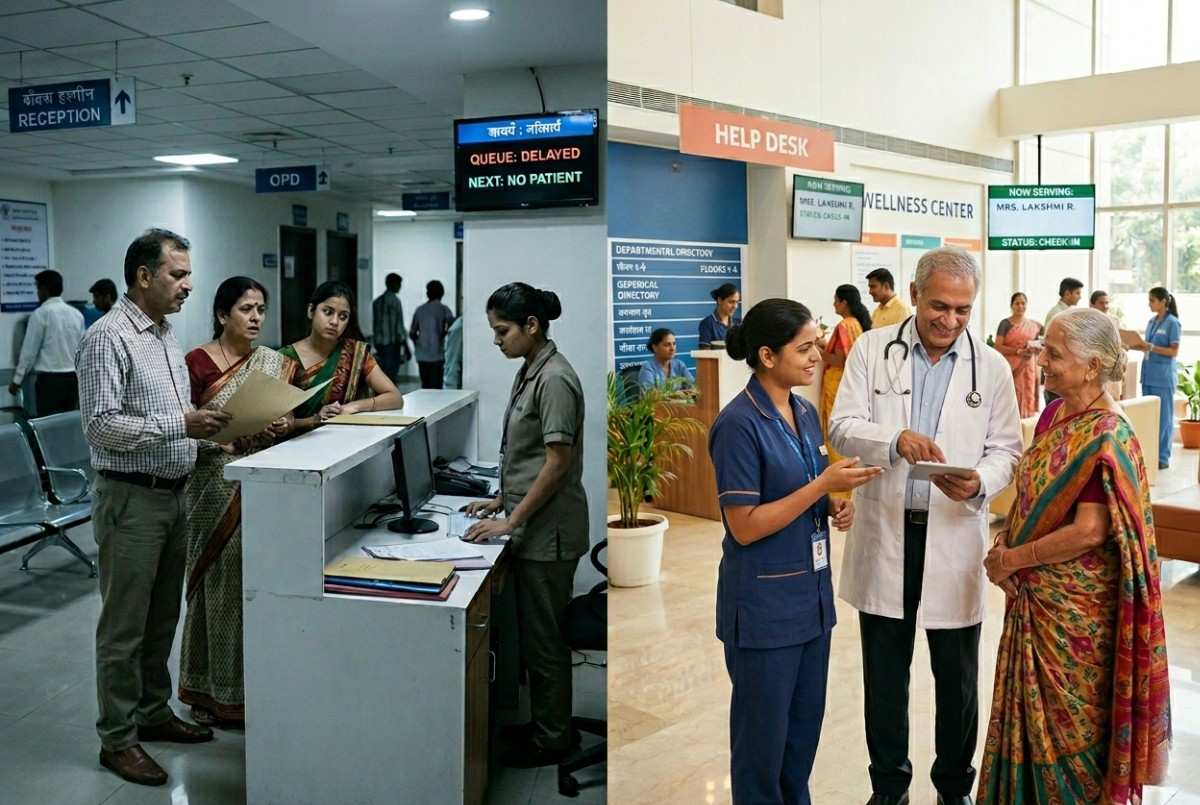
A patient visits your hospital once, receives good clinical care — and never returns. They go to a competitor for their next consultation, their family member’s surgery, and every follow-up after that. This isn’t uncommon in Indian healthcare. For hospital owners and CEOs, it represents not just lost revenue but a broken relationship. Understanding and implementing effective patient retention strategies for hospitals is no longer optional — it is a business imperative.
Why Indian Hospitals Are Losing Patients Without Realising It
Most hospital leaders assume patient churn is about clinical outcomes. The reality is more uncomfortable — patients often leave for reasons that have nothing to do with medical quality.
Long wait times, unclear billing, indifferent front-desk staff, and zero post-discharge follow-up are driving patients away quietly. They don’t complain. They simply don’t come back.
In the current Indian healthcare landscape, patients have more choices than ever before. Tier-2 cities now have multi-speciality options. Corporate hospital chains are expanding aggressively. A poor experience at one touchpoint is enough to send a patient — and their network — to your competitor.
This is the core challenge of patient acquisition strategy in India today: acquiring a patient is expensive, but losing them costs far more.
The Retention Framework: Where Most Hospitals Get It Wrong
Chitra Baskar’s work with hospital owners across India consistently reveals a fundamental gap — hospitals invest heavily in infrastructure and technology, but underinvest in the patient experience ecosystem.
Retention is not a single intervention. It is the result of multiple touchpoints working together cohesively. Chitra identifies three layers where hospitals typically fail:
- The Entry Experience — First impressions at reception, OPD, and inquiry desks set the emotional tone. If patients feel like a number, they disengage immediately.
- The Clinical Journey — Patients notice how well departments communicate with each other, how clearly doctors explain treatment plans, and whether they feel heard.
- The Post-Discharge Relationship — This is where most hospitals go completely silent. No follow-up call. No discharge summary in plain language. No reminder for the next visit.
As a patient experience consultant working across India, Chitra observes that hospitals which address all three layers consistently outperform competitors on repeat visits and referrals.
For those exploring how to retain patients in private hospitals in India, the answer lies in systematising these touchpoints — not leaving them to individual staff initiative.
Practical Strategies Hospitals Can Implement Now
Closing the retention gap does not require a complete overhaul. It requires deliberate, structured action:
- Audit your patient journey end-to-end. Map every touchpoint from the first phone call to the third follow-up visit. Identify where patients drop off or report friction. Most hospitals have never done this exercise formally.
- Train frontline staff as relationship builders. Receptionists, ward attendants, and billing staff interact with patients more than doctors do. Their tone, clarity, and empathy directly influence whether a patient returns.
- Build a structured follow-up protocol. A call 48 hours post-discharge, a check-in at seven days, and a reminder at 30 days dramatically improves patient loyalty. Automate where possible, but keep the human element for high-value patients.
- Make billing transparent and explainable. Billing disputes are one of the top reasons patients switch hospitals in India. A dedicated billing counsellor who walks patients through their invoice reduces complaints and builds trust.
- Capture and act on feedback immediately. Post-visit surveys mean nothing if results sit in a spreadsheet. Assign accountability for resolving negative feedback within 48 hours.
Mistakes That Quietly Undermine Retention Efforts
Even hospitals that invest in patient experience make avoidable errors:
Treating retention as a marketing function alone. Retention is an operations and culture challenge. Marketing can attract patients back, but only if the underlying experience justifies their return.
Focusing only on inpatient satisfaction. The bulk of patient volume — and relationship-building — happens in OPD. Hospitals that neglect outpatient experience lose the majority of their potential loyal base.
Measuring satisfaction without measuring loyalty. A patient can rate their experience 4 out of 5 and still never return. Track repeat visit rates, referral rates, and lapsed patient reactivation — not just satisfaction scores.
Patients today choose hospitals the way they choose any service — based on experience, trust, and how valued they feel. Clinical excellence earns the first visit. Everything else determines whether they return.
If your hospital is facing declining repeat visits or rising patient churn, the issue is rarely clinical. It is structural. Implementing focused patient loyalty strategies for Indian hospitals requires an honest look at your systems, your people, and your patient relationships.
To explore what a retention audit could reveal about your hospital’s growth gaps, connect with Chitra Baskar on LinkedIn or reach out directly to schedule a discovery conversation.